Science · Space · How the world works
Big questions,
explained in a flash.
Every discovery begins with a portrait summary, then opens into a substantial, carefully sourced article designed to reward curiosity.
 Featured explainer
The complete library
Choose a field. Follow the question.
Thirty-nine complete explainers, organised by the science readers are actually looking for rather than by generic labels. Every story carries a full article, its caveats, an FAQ and a visible, linked source list.
39 explainers to explore.
Technology & Engineering
Machines, signals and engineered systems—from aircraft wings to wireless networks.
 014:5
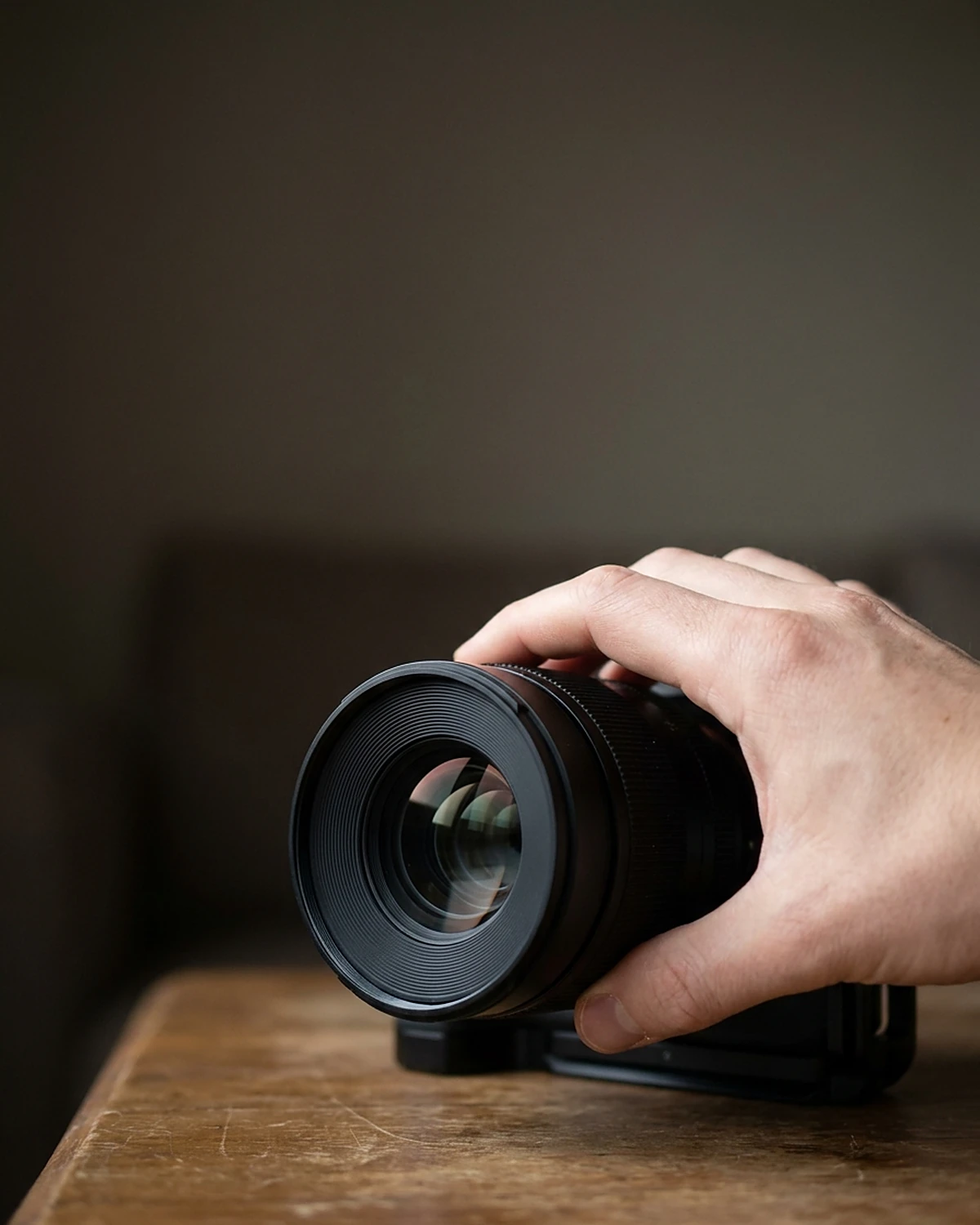
014:5How Does Camera Autofocus Find a Sharp Image?
See how contrast and phase detection measure blur, move lens groups and track subjects—and why blank walls, darkness and motion make autofocus fail.
Read the explainer →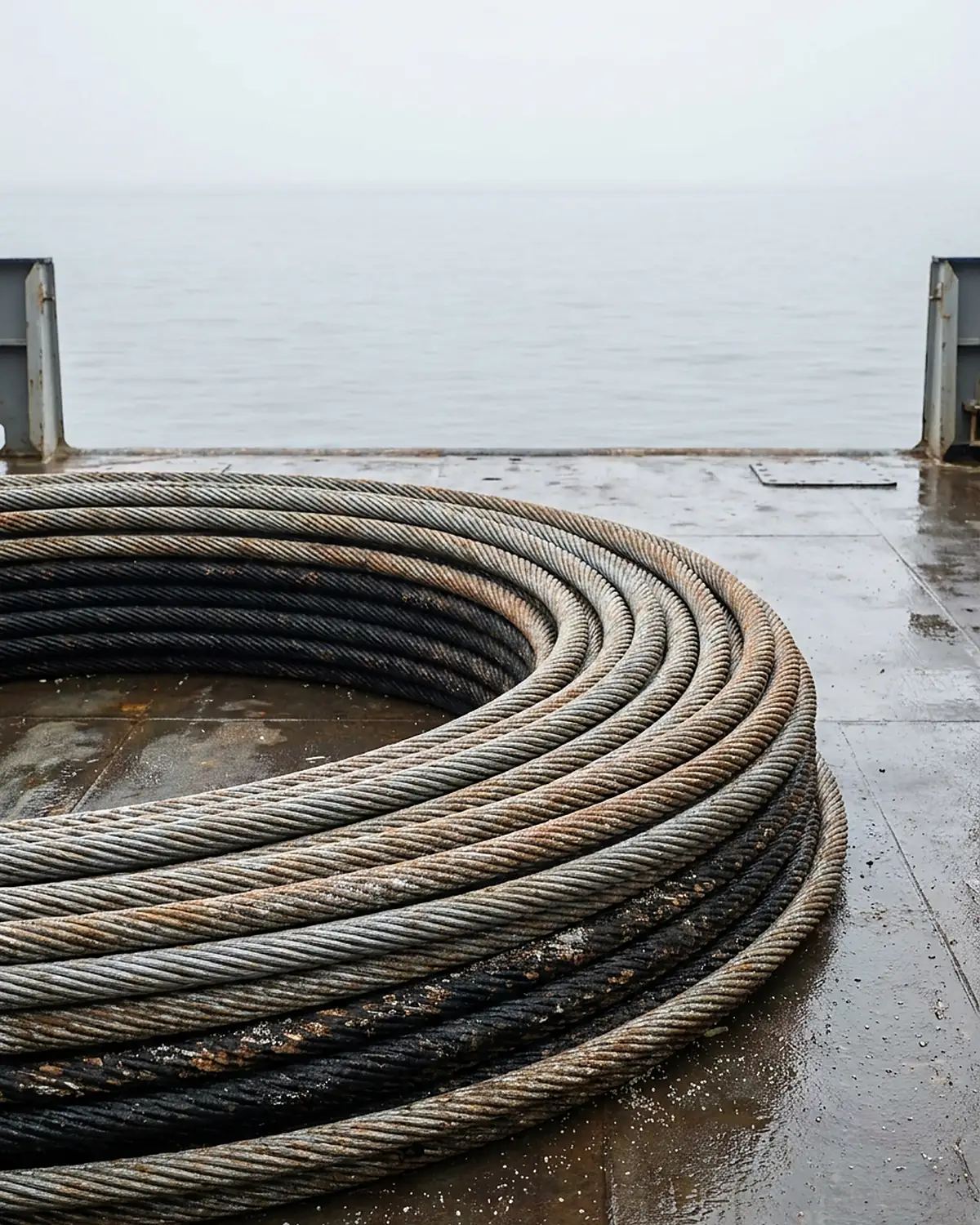 024:5
024:5How Do Undersea Internet Cables Carry the World’s Data?
Follow Internet data through a cable landing station, optical fibre, powered repeaters and a deep-sea repair—then calculate why ocean distance creates unavoidable latency.
Read the explainer → 034:5
034:5How Does Password Hashing Protect Accounts?
See how salts, slow password hashes, work factors and optional peppers limit database-breach damage—and why hashing cannot stop phishing or reused passwords.
Read the explainer →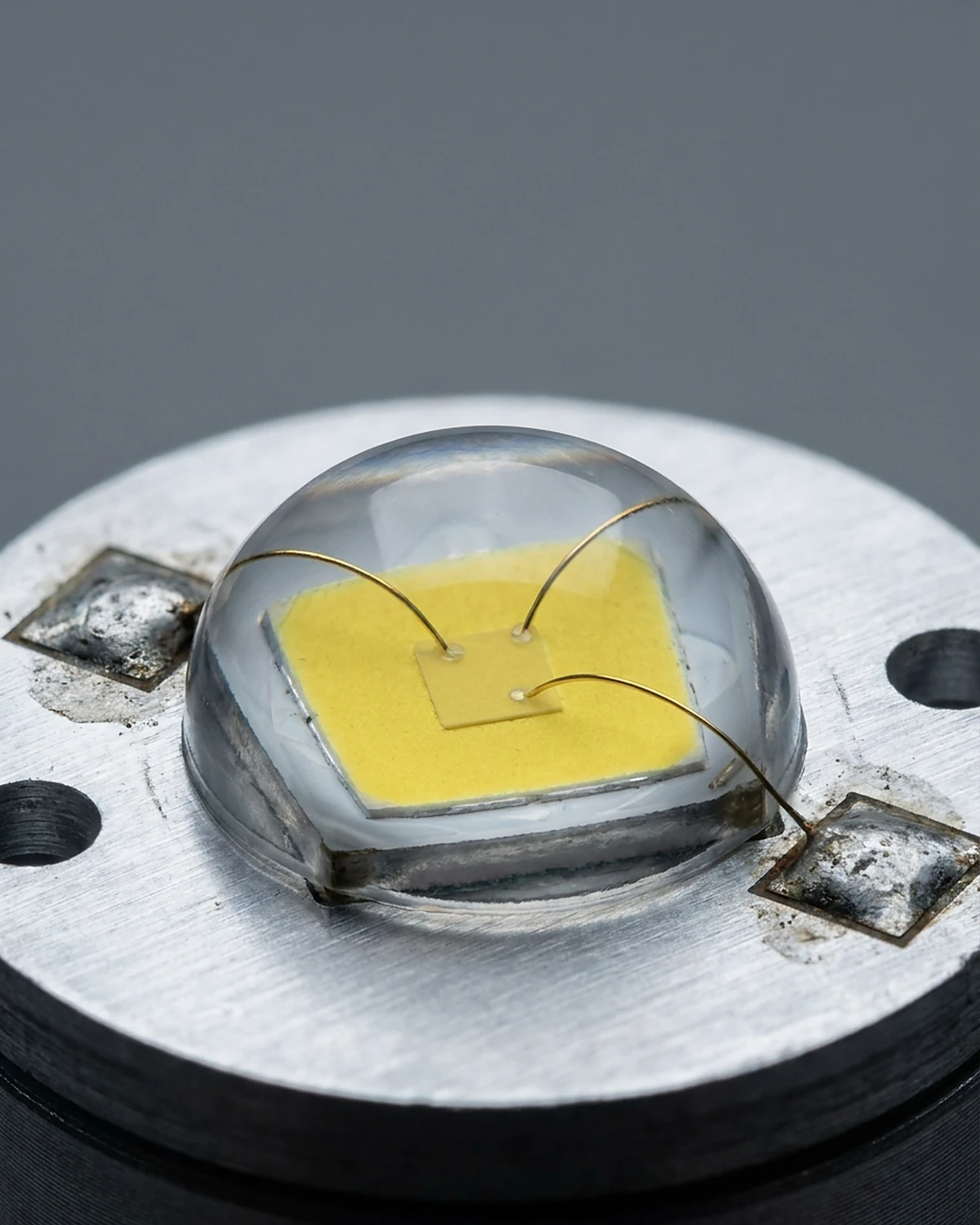 044:5
044:5How Does an LED Produce Light?
Follow electrons and holes through an LED, calculate photon energy, see how blue LEDs make white light, and learn why efficient lamps still get hot.
Read the explainer →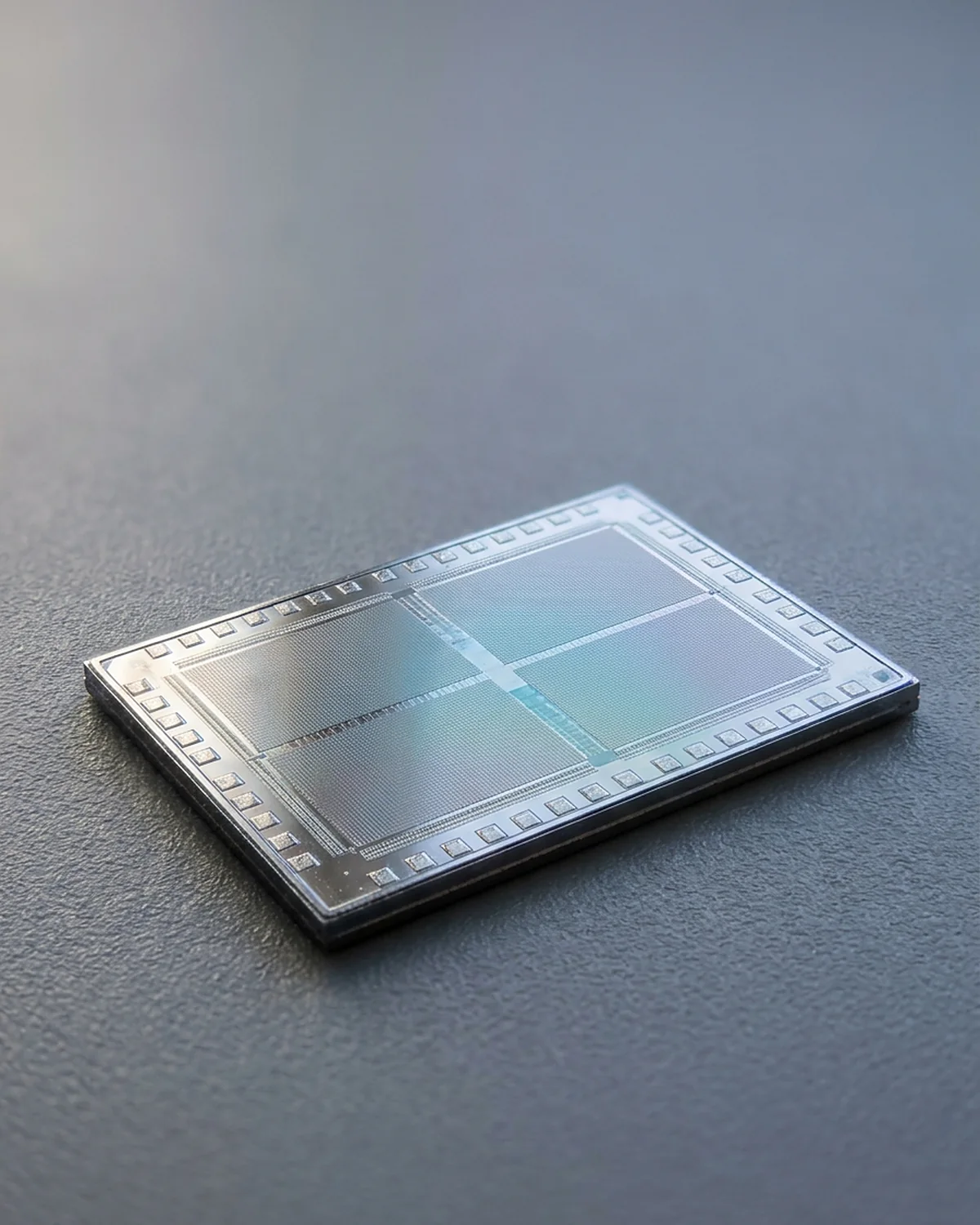 054:5
054:5How Does a Computer Chip Use Ones and Zeros?
See how voltage ranges, CMOS transistors, logic gates, memory and clocks turn analog physics into reliable binary computation.
Read the explainer → 064:5
064:5How Does Wi-Fi Work?
Wi-Fi works by encoding your data onto invisible radio waves that a router and your devices broadcast back and forth, turning bits into signals and back again.
Read the explainer →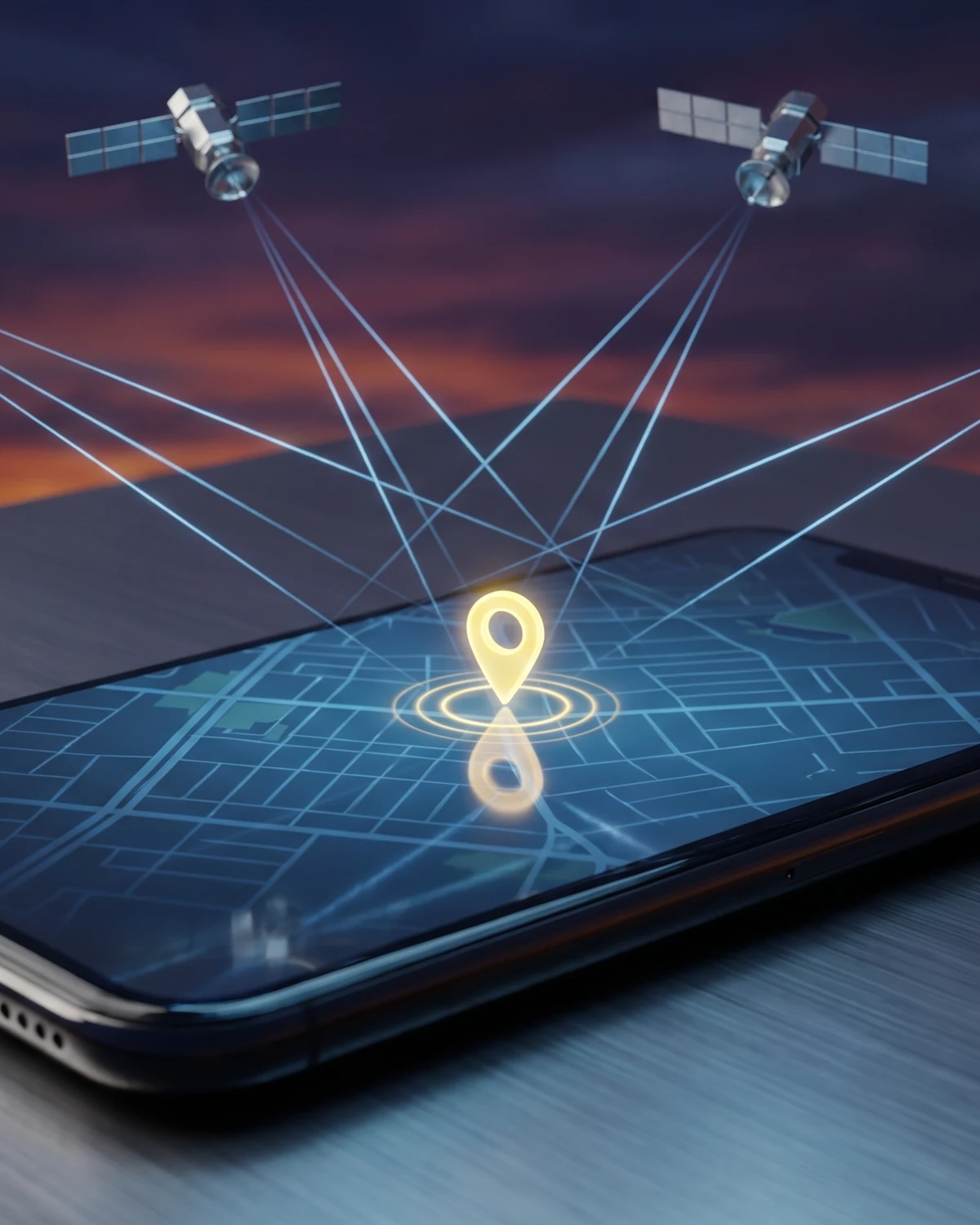 074:5
074:5How Does GPS Know Where You Are?
GPS finds you by timing signals from four or more atomic-clock satellites and turning the delays into distances, all at the speed of light.
Read the explainer → 084:5
084:5How Does Bluetooth Work?
Bluetooth is short-range 2.4 GHz radio. Learn how pairing, frequency hopping and low-power design let your devices talk wirelessly without tangling.
Read the explainer → 094:5
094:5How Does a Refrigerator Keep Things Cold?
A refrigerator doesn't create cold; it pumps heat out of the food and dumps it into the room, using a refrigerant that cycles between evaporating and condensing.
Read the explainer → 104:5
104:5How Does a Microwave Oven Heat Food?
A microwave oven heats food by broadcasting radio waves that make water molecules jiggle billions of times a second, and that molecular motion is heat.
Read the explainer →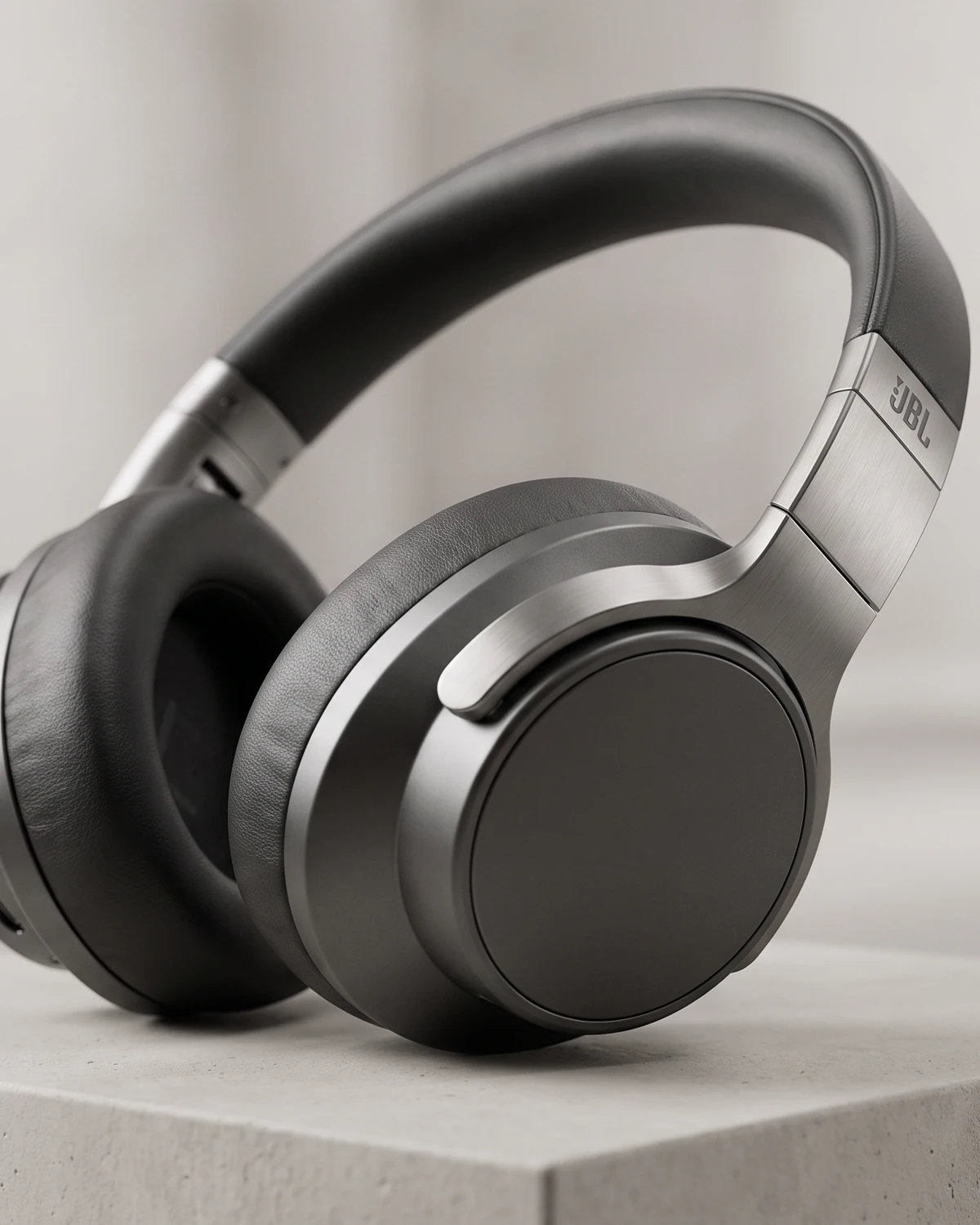 114:5
114:5How Do Noise-Cancelling Headphones Work?
Noise-cancelling headphones use tiny microphones to listen to surrounding noise, then play an opposite sound wave that collides with it and cancels it out.
Read the explainer →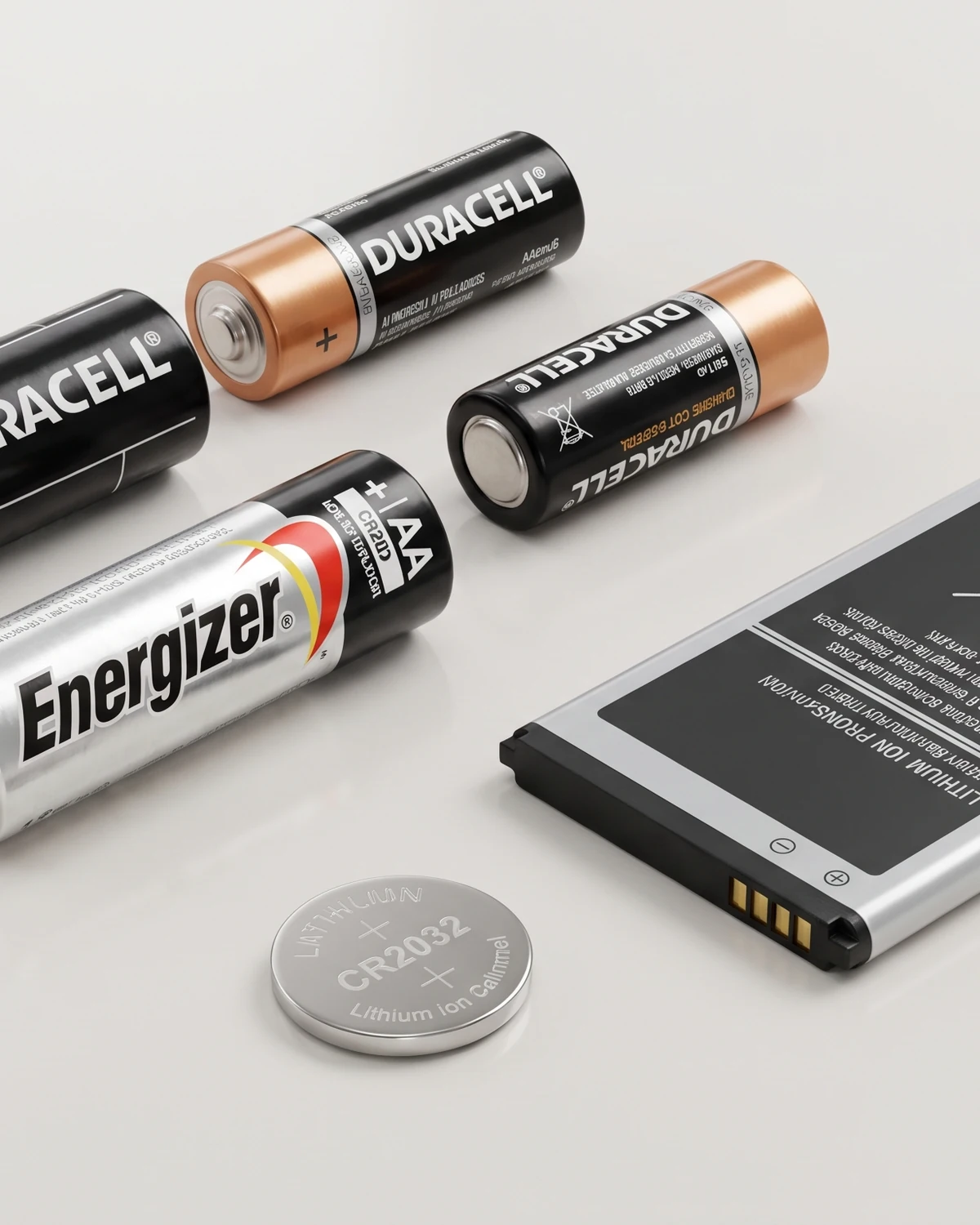 124:5
124:5How Do Batteries Work?
A battery stores energy as chemistry, not electricity. A reaction between two materials pushes electrons through your device, turning stored chemical energy into power.
Read the explainer →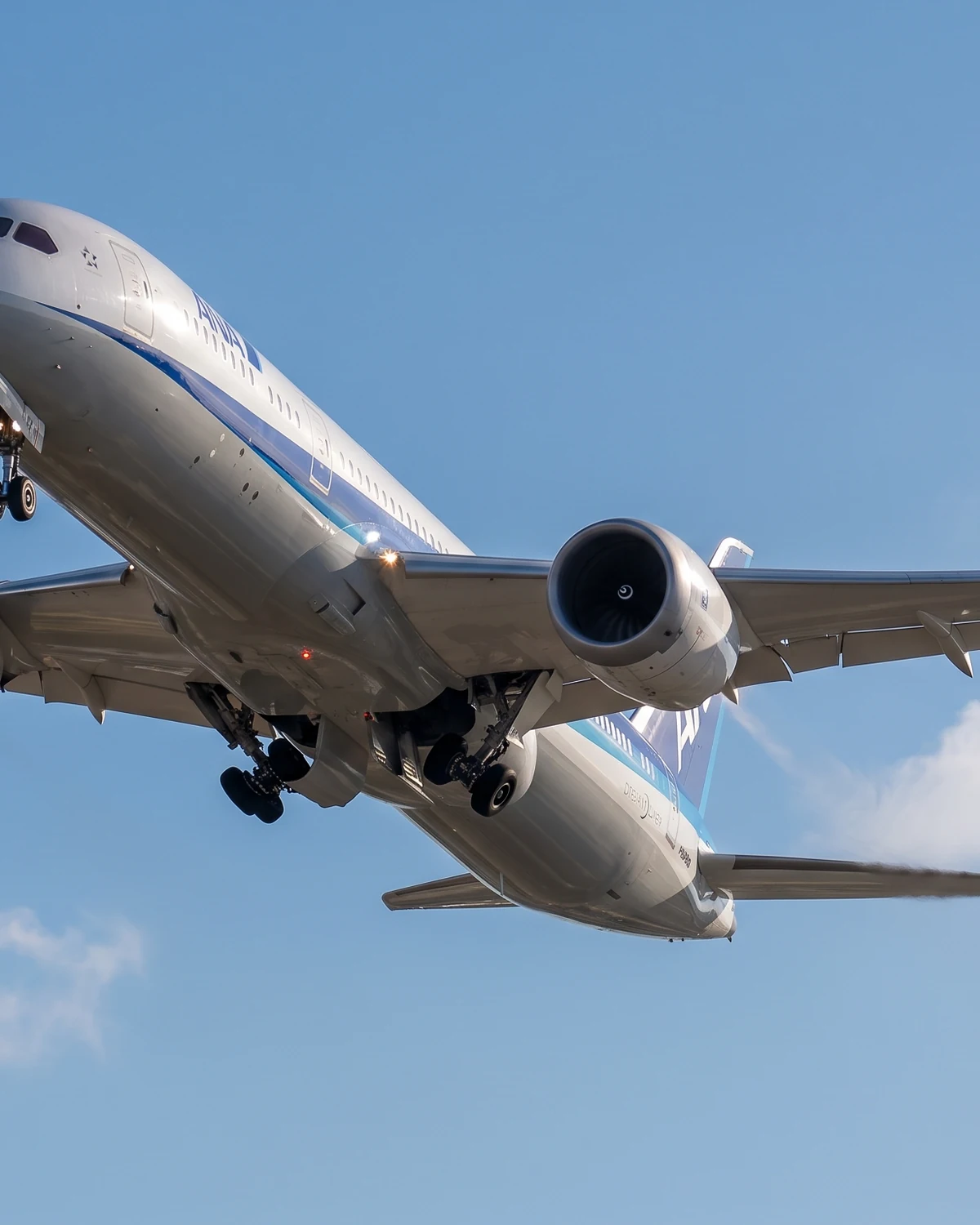 134:5
134:5How Do Airplanes Fly?
Airplanes fly because their wings push air downward and the air pushes back up. Lift balances weight and engine thrust overcomes drag. The full explanation, minus the myths.
Read the explainer →Earth & Environment
Light, oceans, weather and the planetary systems shaping everyday life.
 144:5
144:5Why Is the Sky Blue?
The sky is blue because tiny air molecules scatter the short blue wavelengths of sunlight far more than the longer red ones, spreading blue light across the whole sky.
Read the explainer → 154:5
154:5Why Is the Ocean Salty?
The ocean is salty because acidic rain dissolves minerals from rock and rivers carry them to sea, where salt builds up to about 3.5% and stays steady.
Read the explainer →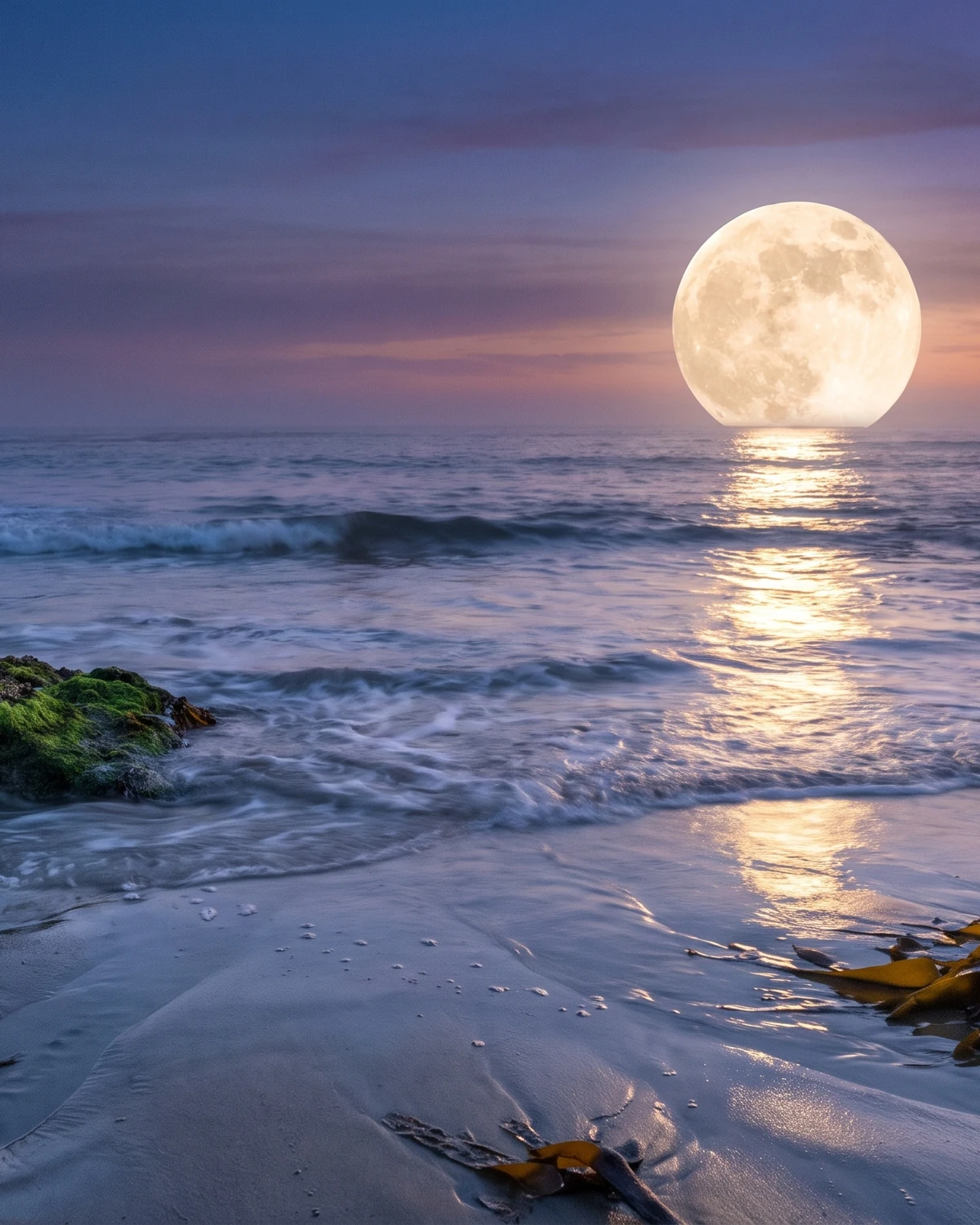 164:5
164:5Why Does the Moon Cause Tides?
The Moon's gravity stretches Earth's oceans into two bulges, and as the planet spins beneath them we get two high and two low tides a day. The Sun helps too.
Read the explainer → 174:5
174:5Why Do We Have Seasons?
Seasons come from Earth’s ~23.4-degree axial tilt changing the angle of sunlight and length of day, not from the planet’s distance to the Sun.
Read the explainer →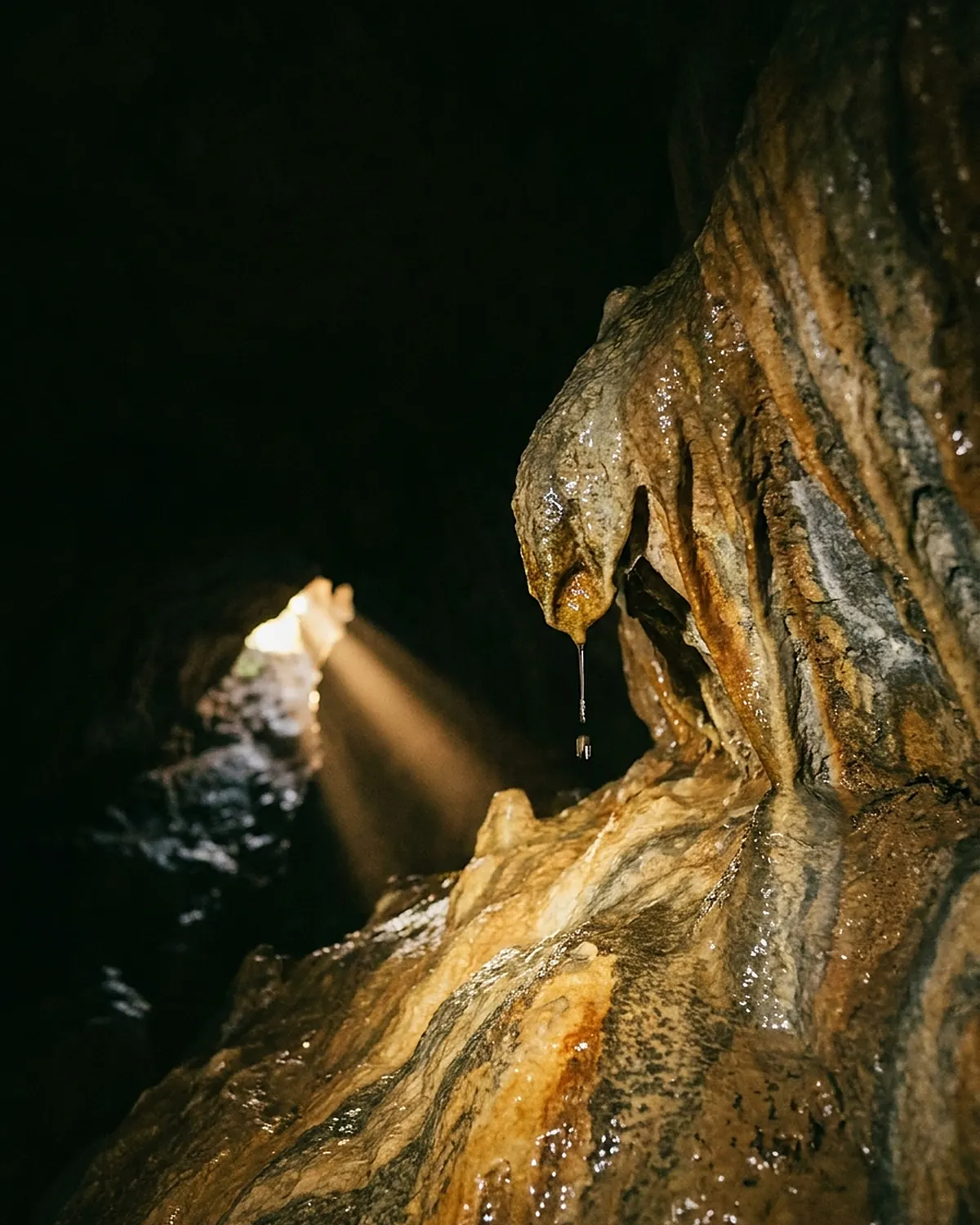 184:5
184:5How Do Caves Form?
See how weakly acidic groundwater enlarges fractures, why stalactites arrive later, and how sulfuric acid, lava, waves and ice form other caves.
Read the explainer → 194:5
194:5How Do Clouds Stay in the Sky?
Cloud droplets do fall—but often only centimeters per second. See how drag, updrafts, condensation and particle growth keep a cloud visible.
Read the explainer → 204:5
204:5How Does a Hurricane Grow?
A hurricane grows through a fragile ocean–atmosphere feedback. Follow moisture, latent heat, pressure and rotation—and see why warm water is not enough.
Read the explainer →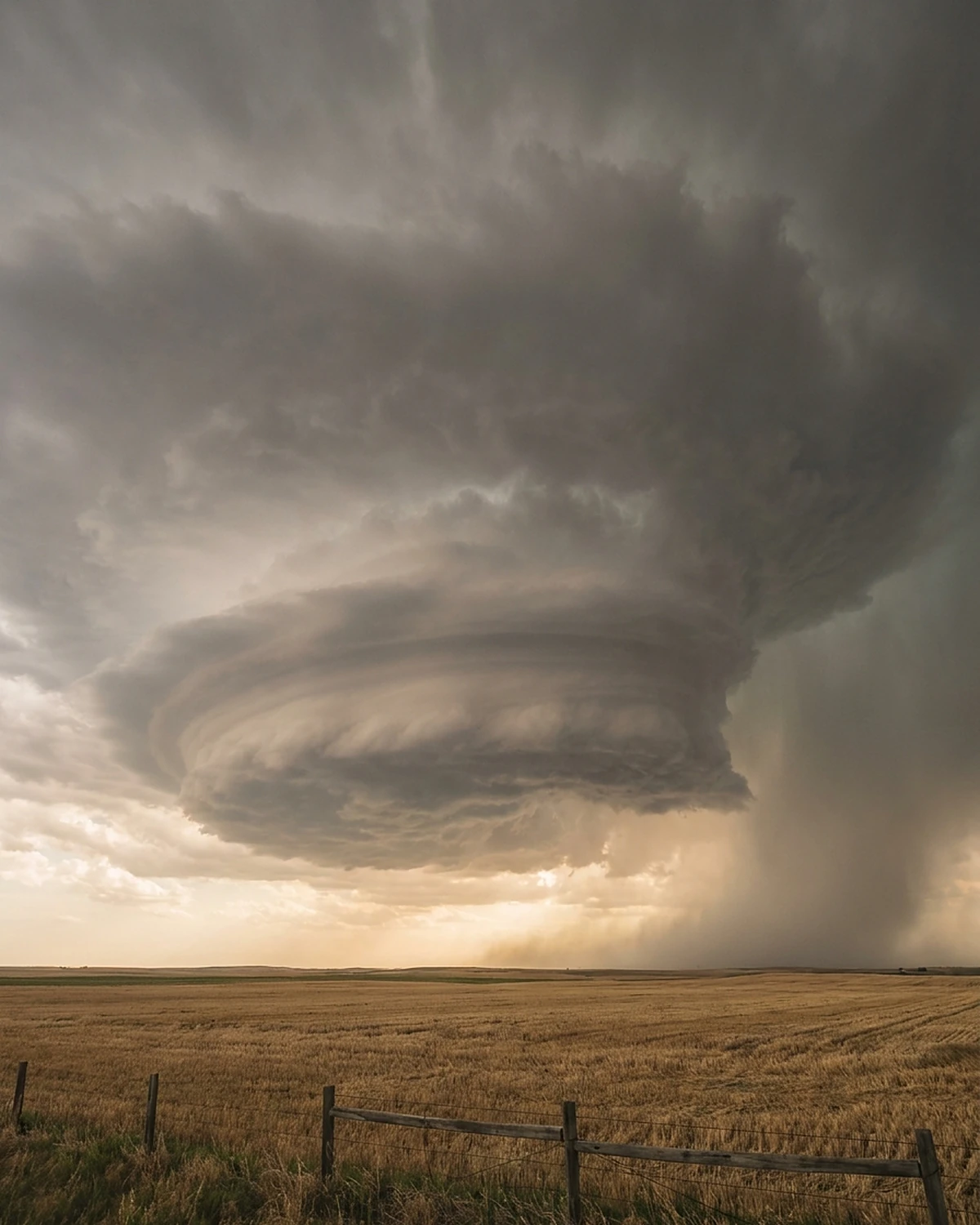 214:5
214:5How Does a Tornado Form?
Wind shear and a supercell create rotation aloft, but tornado formation depends on near-ground vorticity, downdrafts and stretching. See what remains uncertain.
Read the explainer →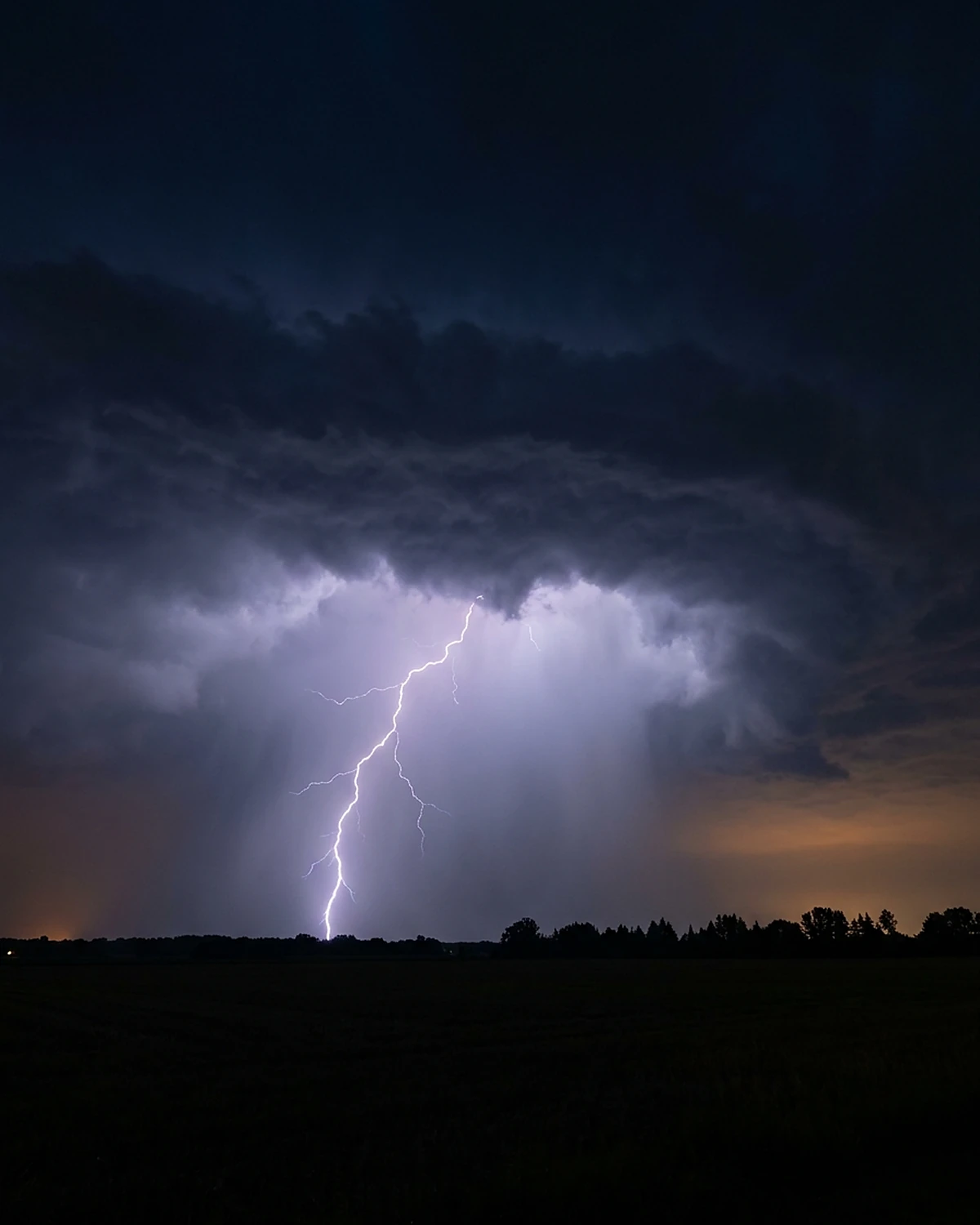 224:5
224:5How Does Lightning Form?
Lightning starts with charge separation among ice particles, then breakdown and leaders build a plasma path. Follow the evidence—and the limits of what is known.
Read the explainer →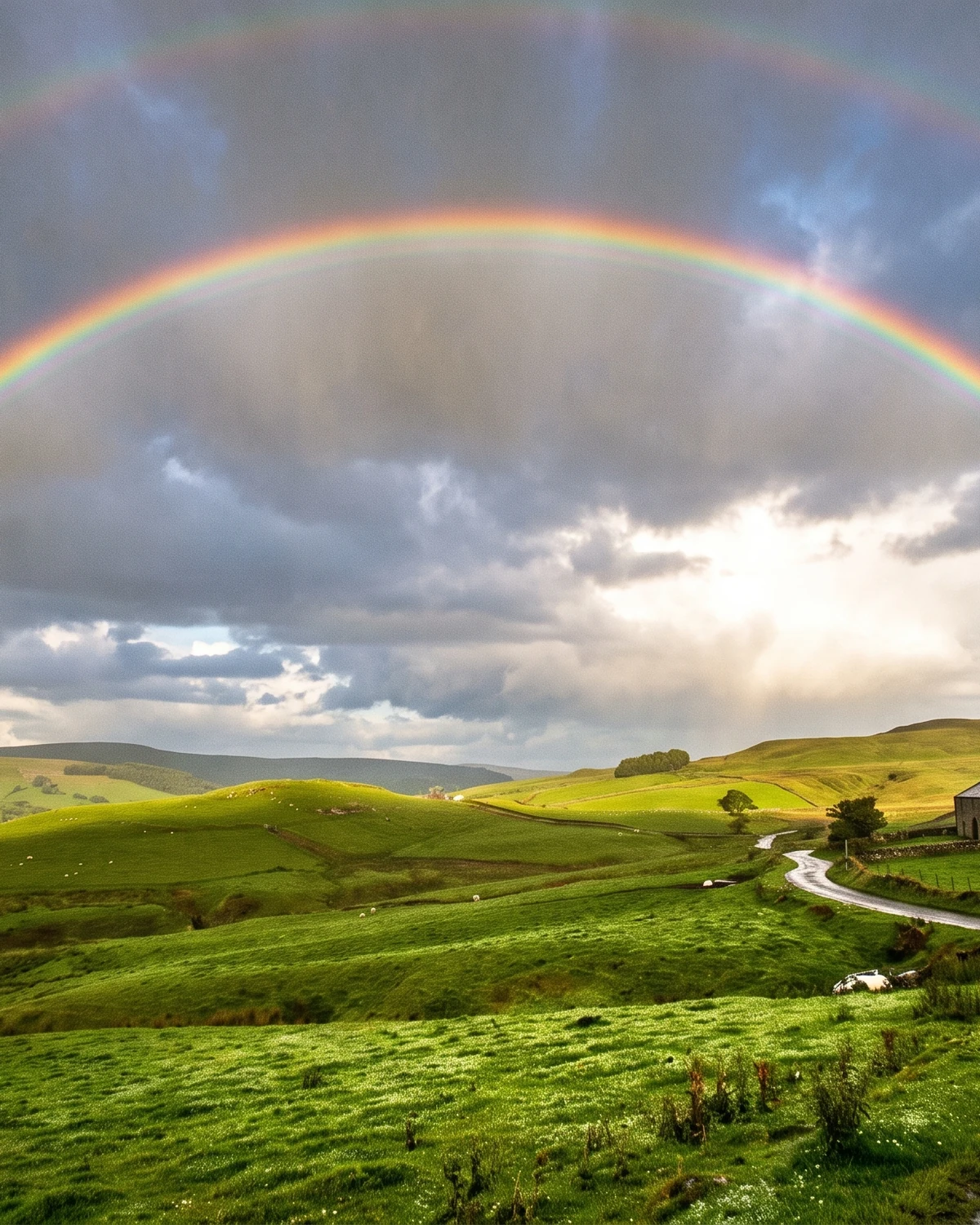 234:5
234:5How Do Rainbows Form?
Rainbows form when sunlight enters raindrops, bends, reflects off the back and bends again, splitting white light into colours that reach your eye at a fixed angle.
Read the explainer →Space & Astronomy
Worlds, orbits and thought experiments that reveal the scale of the cosmos.
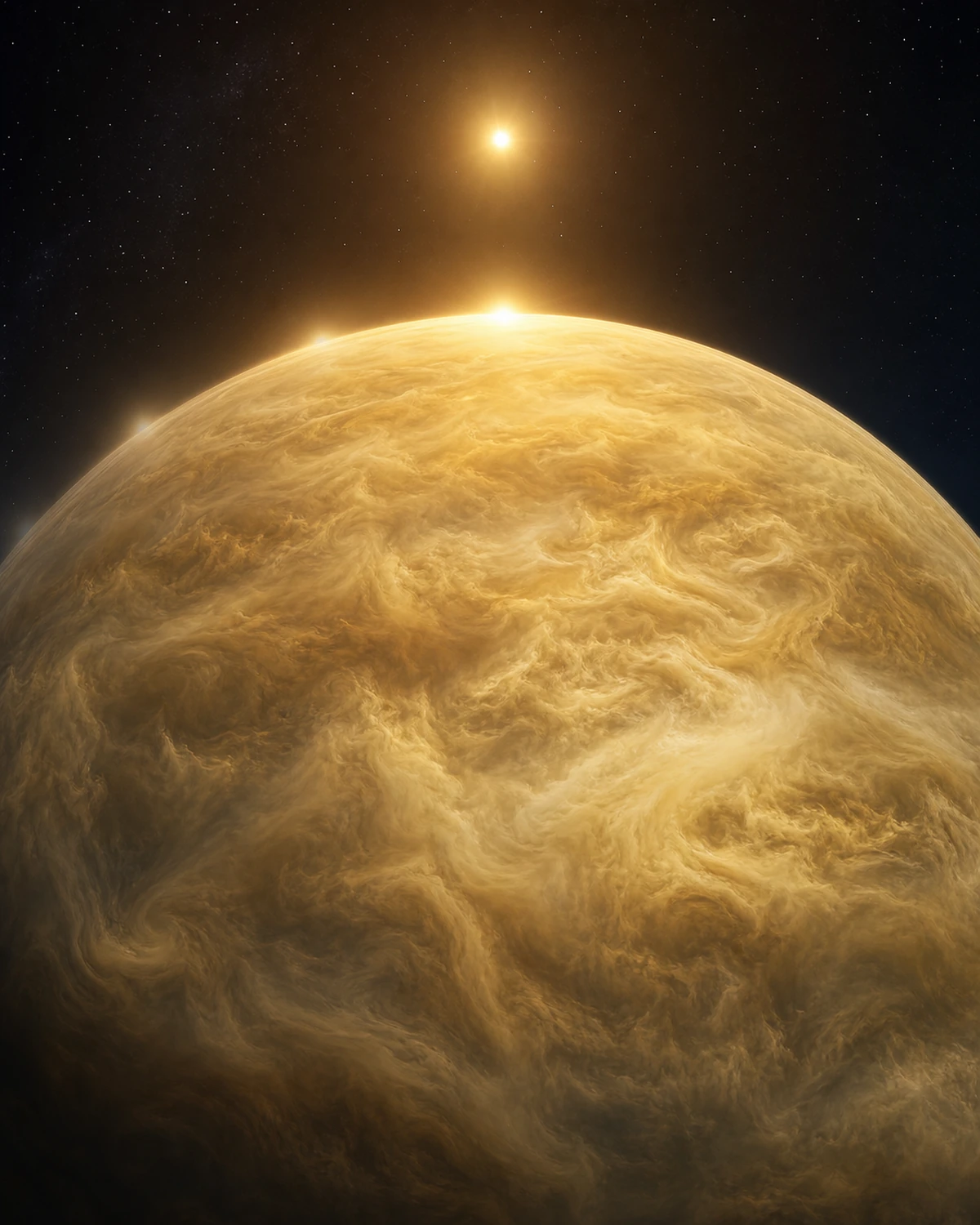
244:5A Day on Venus Outlasts Its Year
Venus takes about 243 Earth days to rotate but only 225 days to orbit the Sun. The headline is true—depending on what ‘day’ means.
Read the explainer →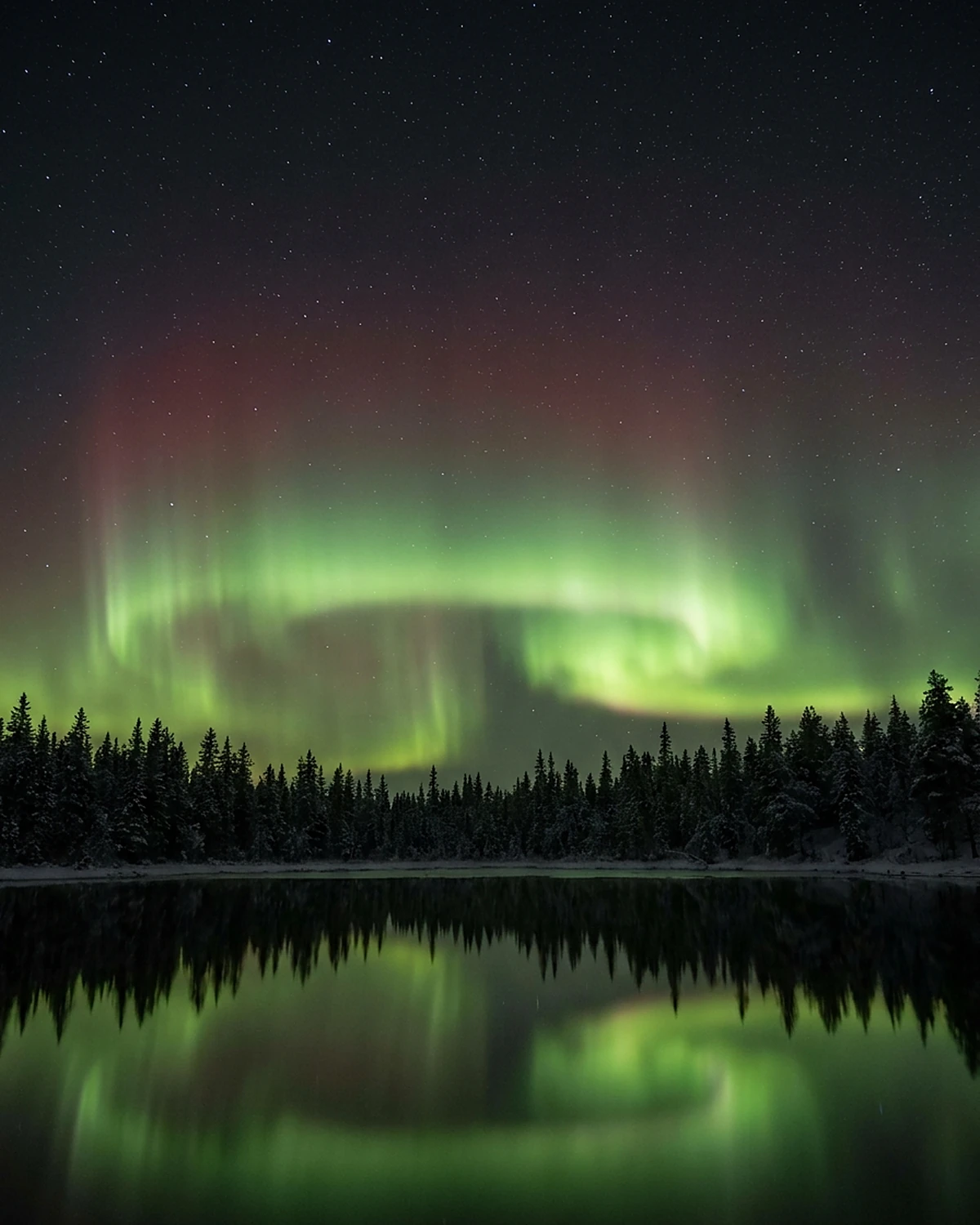 254:5
254:5How Do the Northern Lights Glow?
Aurora colors come from excited oxygen and nitrogen—not colored solar wind. See why altitude, atomic lifetime and camera exposure change the sky.
Read the explainer →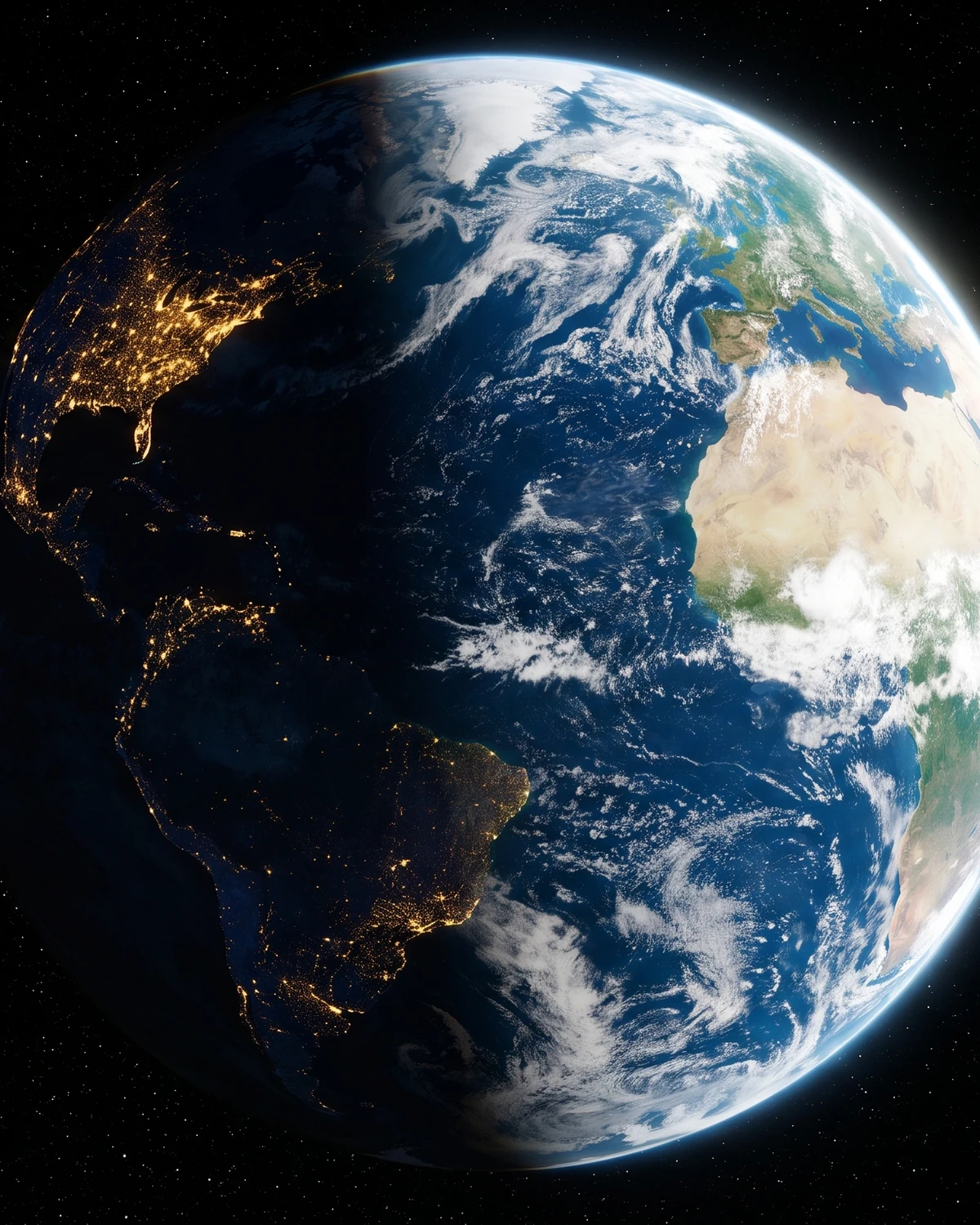 264:5
264:5Why Does the Earth Spin?
Earth spins because it inherited angular momentum from the spinning cloud it formed in 4.5 billion years ago. With almost nothing to slow it, it just keeps turning.
Read the explainer →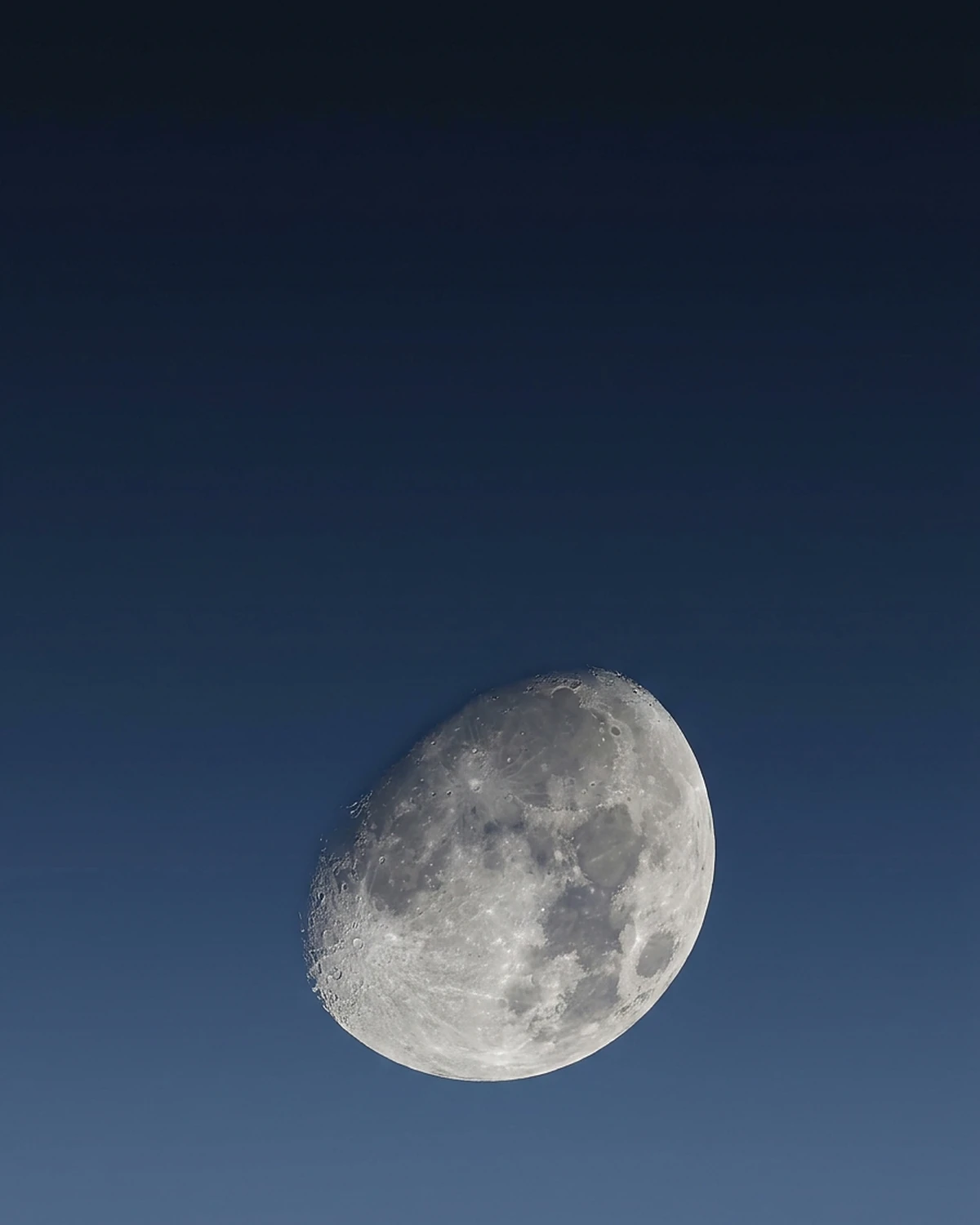 274:5
274:5Why Does the Moon Always Show the Same Face?
See why the Moon must rotate to keep one face toward Earth, how tidal torque created synchronism, and why libration reveals more.
Read the explainer → 284:5
284:5How Does a Black Hole Trap Light?
Learn why light still moves locally at c near a black hole, while curved spacetime removes every future-directed route from inside the event horizon.
Read the explainer →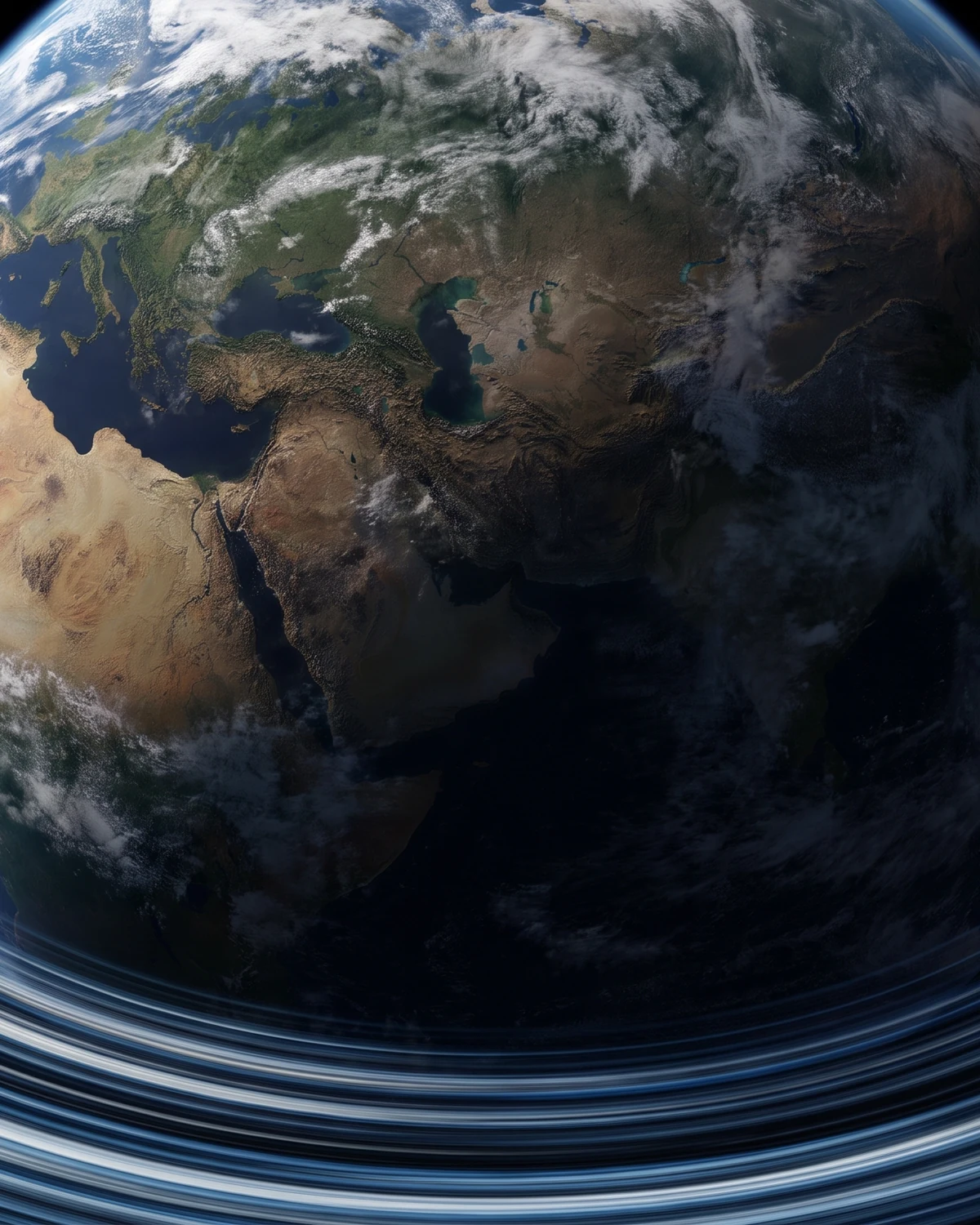 294:5
294:5What Would Happen If the Earth Stopped Spinning?
If Earth stopped spinning suddenly, everything would keep moving at up to 1,600 km/h. Even a gradual stop would bring six-month days and a reshaped world.
Read the explainer →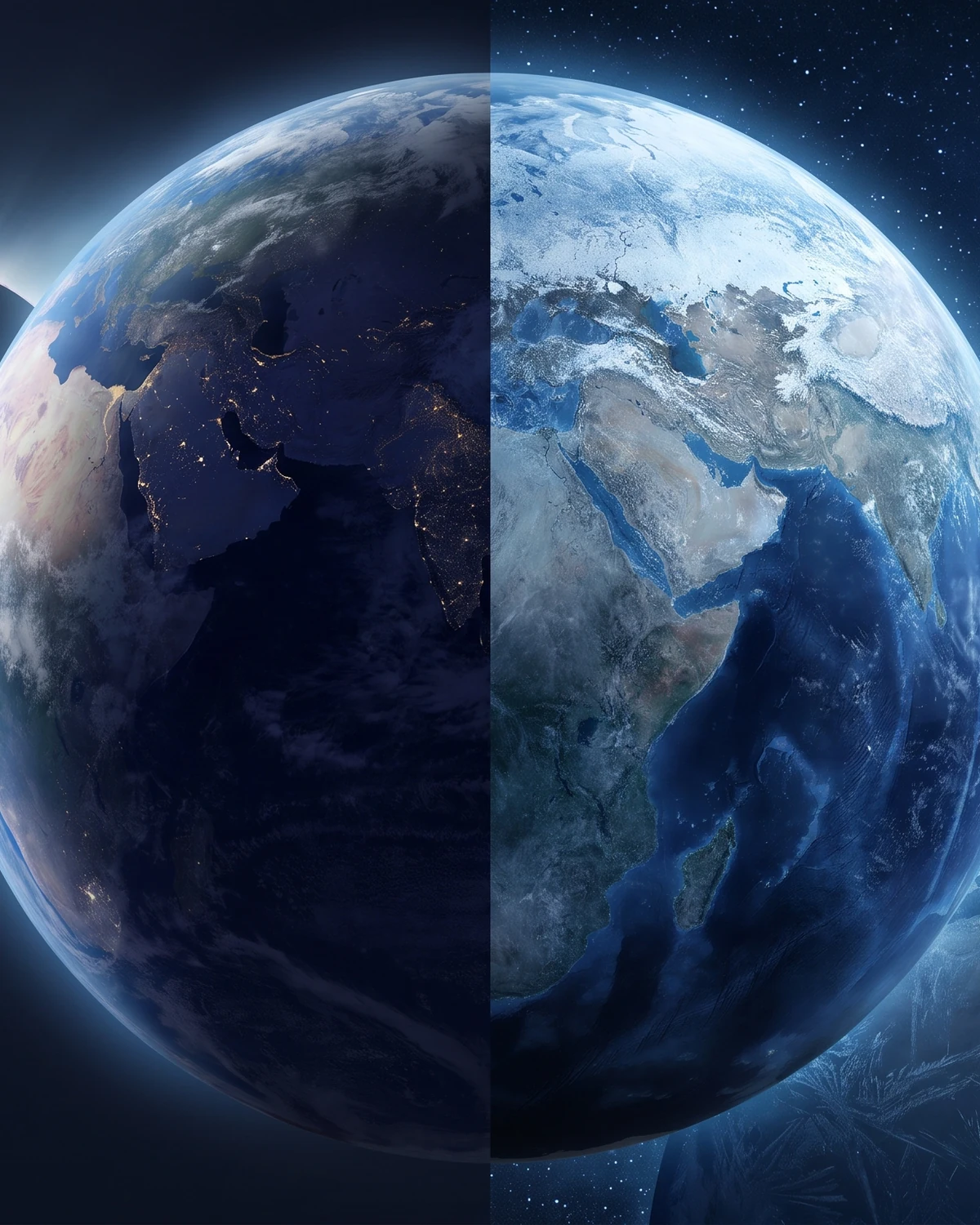 304:5
304:5What Would Happen If the Sun Suddenly Disappeared?
A physics thought experiment: if the Sun vanished, Earth would keep light and gravity for ~8 min 20 sec, then fly off in a straight line and slowly freeze.
Read the explainer →Life & Chemistry
The molecules, materials and living machinery hiding inside familiar things.
 314:5
314:5Why Do Onions Make You Cry?
Onions make you cry because cutting them releases enzymes that build a volatile tear-inducing gas. Learn the chemistry — and how to stop the tears.
Read the explainer →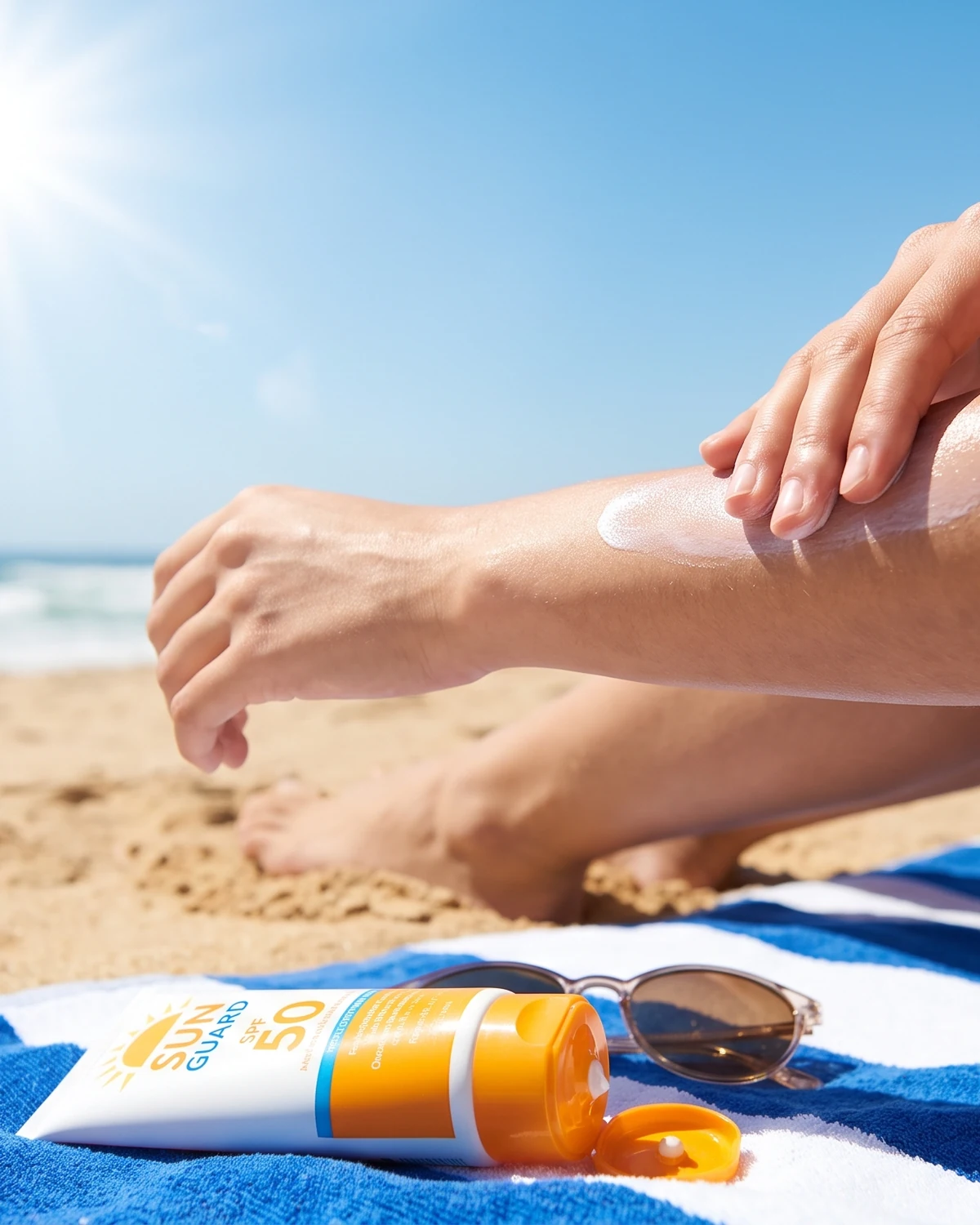 324:5
324:5How Does Sunscreen Work?
Sunscreen works mainly by absorbing UV light and releasing it as heat, with some scattering. Learn what SPF means and how to use sunscreen correctly.
Read the explainer → 334:5
334:5How Do Geckos Walk on Walls?
See how lamellae, branching setae, nanoscale contact, directional shear and toe peeling give many geckos fast, reversible dry adhesion.
Read the explainer →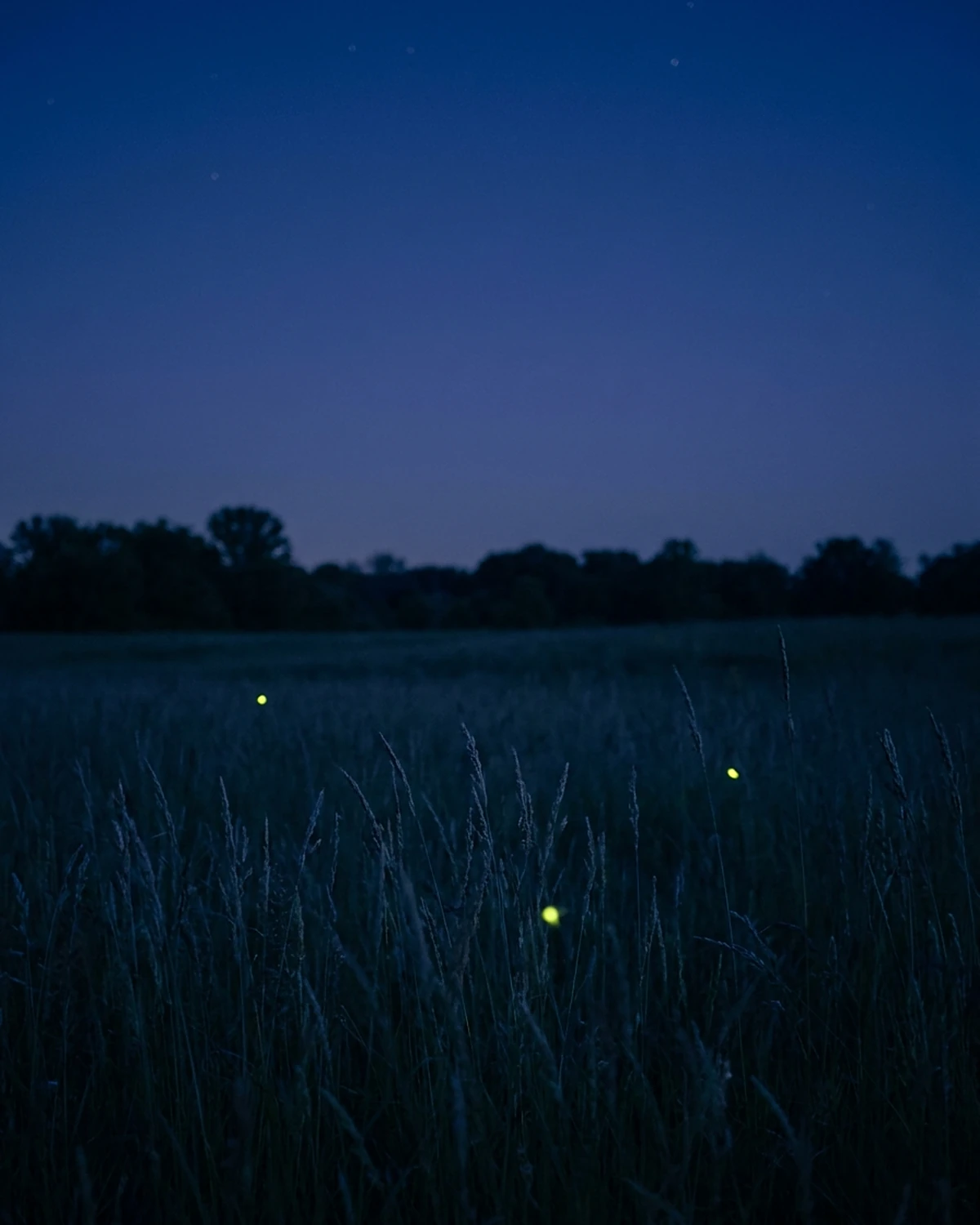 344:5
344:5How Do Fireflies Make Light?
Follow the ATP- and oxygen-dependent chemistry that creates firefly photons, then see how lantern anatomy and physiology time species-specific flashes.
Read the explainer →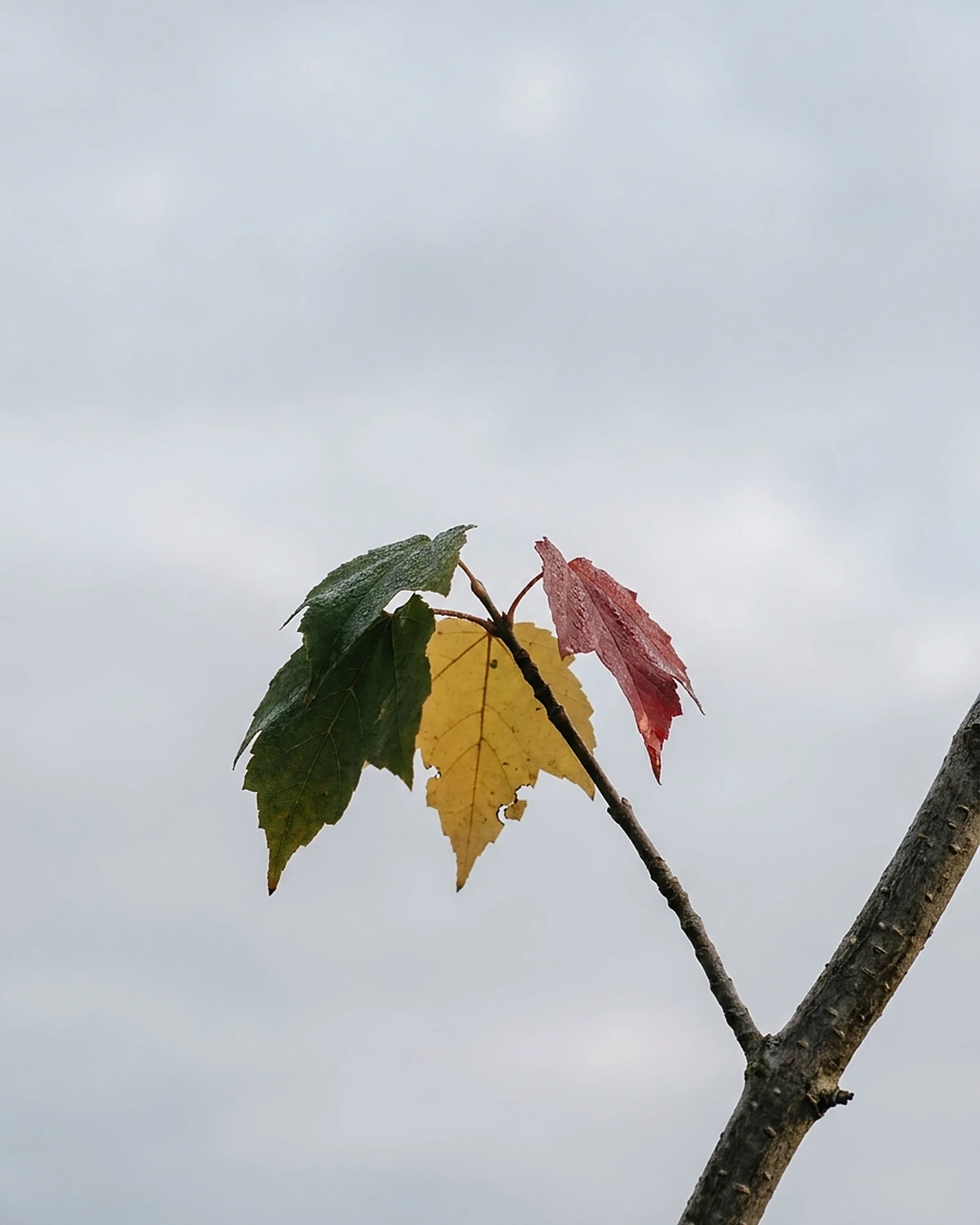 354:5
354:5Why Do Leaves Change Color in Fall?
See how seasonal cues trigger leaf senescence, nutrient recovery, chlorophyll breakdown, yellow carotenoid exposure and species-specific red pigment production.
Read the explainer → 364:5
364:5How Does a Pencil Write?
A pencil line is controlled wear. Follow graphite–clay fragments from a changing point into paper’s fibers and learn what makes a mark dark.
Read the explainer →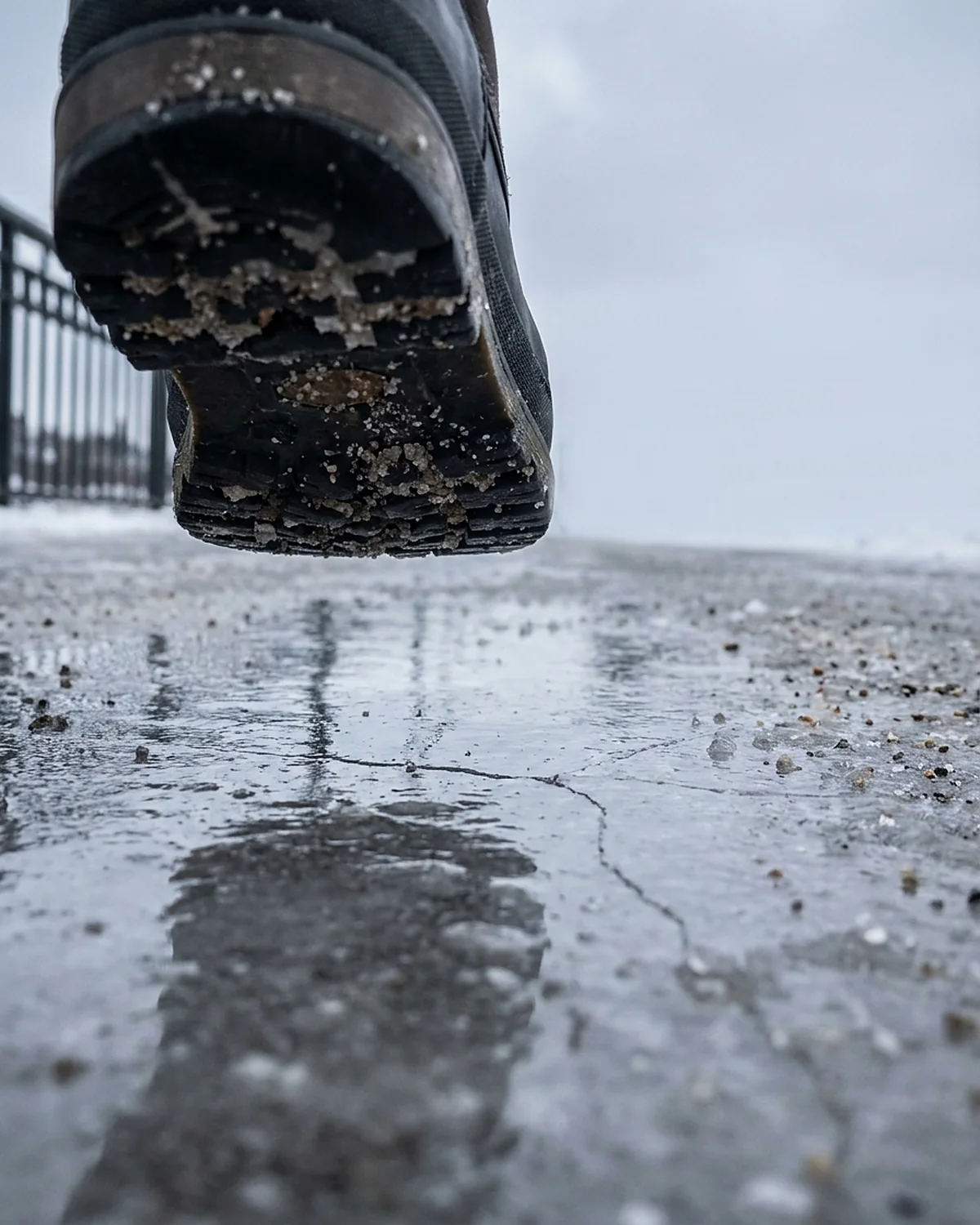 374:5
374:5Why Is Ice Slippery?
Surface disorder, frictional heating, pressure, water and ice debris share the answer—and temperature, speed and contact decide which dominates.
Read the explainer →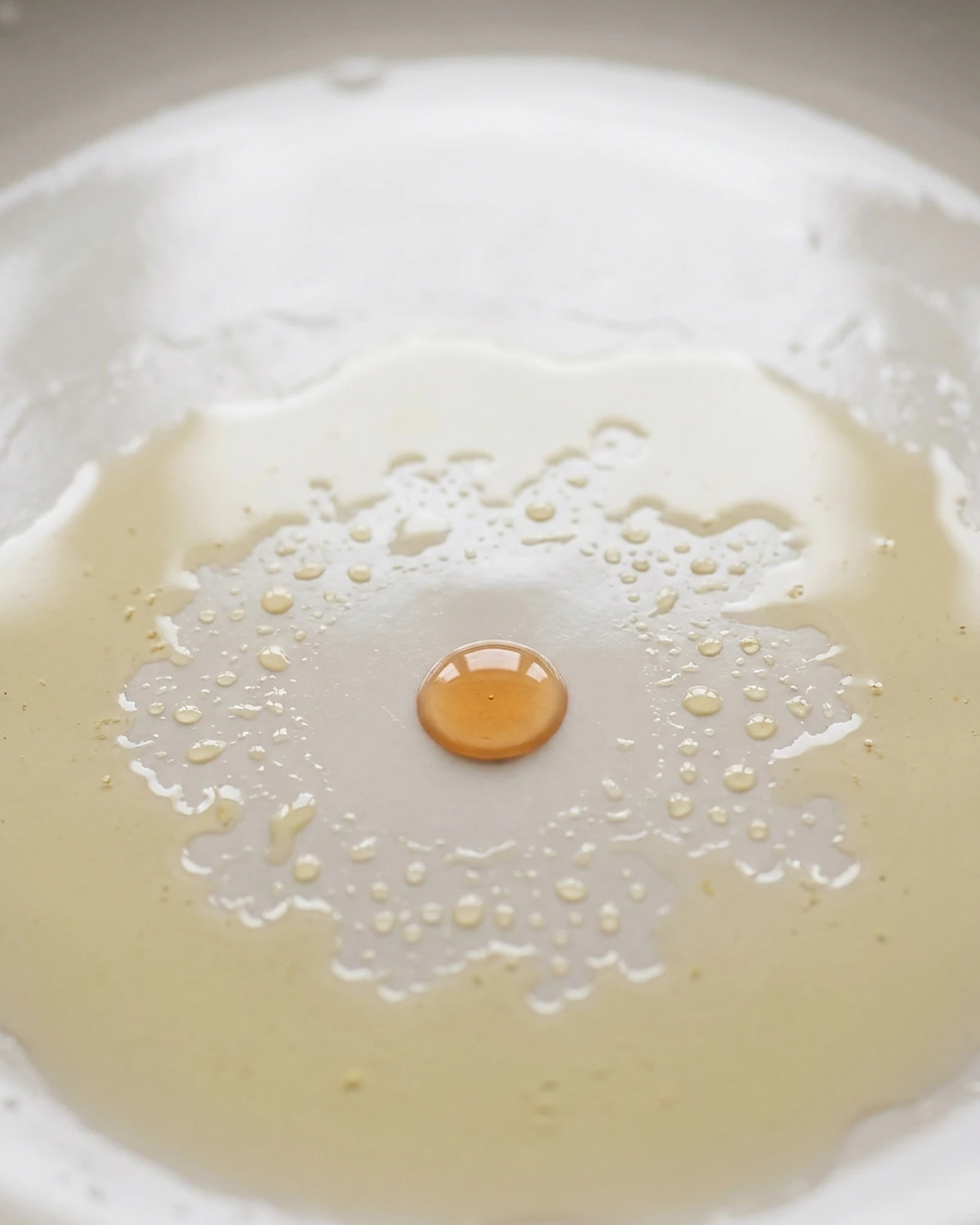 384:5
384:5How Does Soap Remove Grease?
Soap’s two-sided molecules lower oil–water tension, stabilize droplets and let rinsing carry grease away. Learn why foam is not cleaning power.
Read the explainer →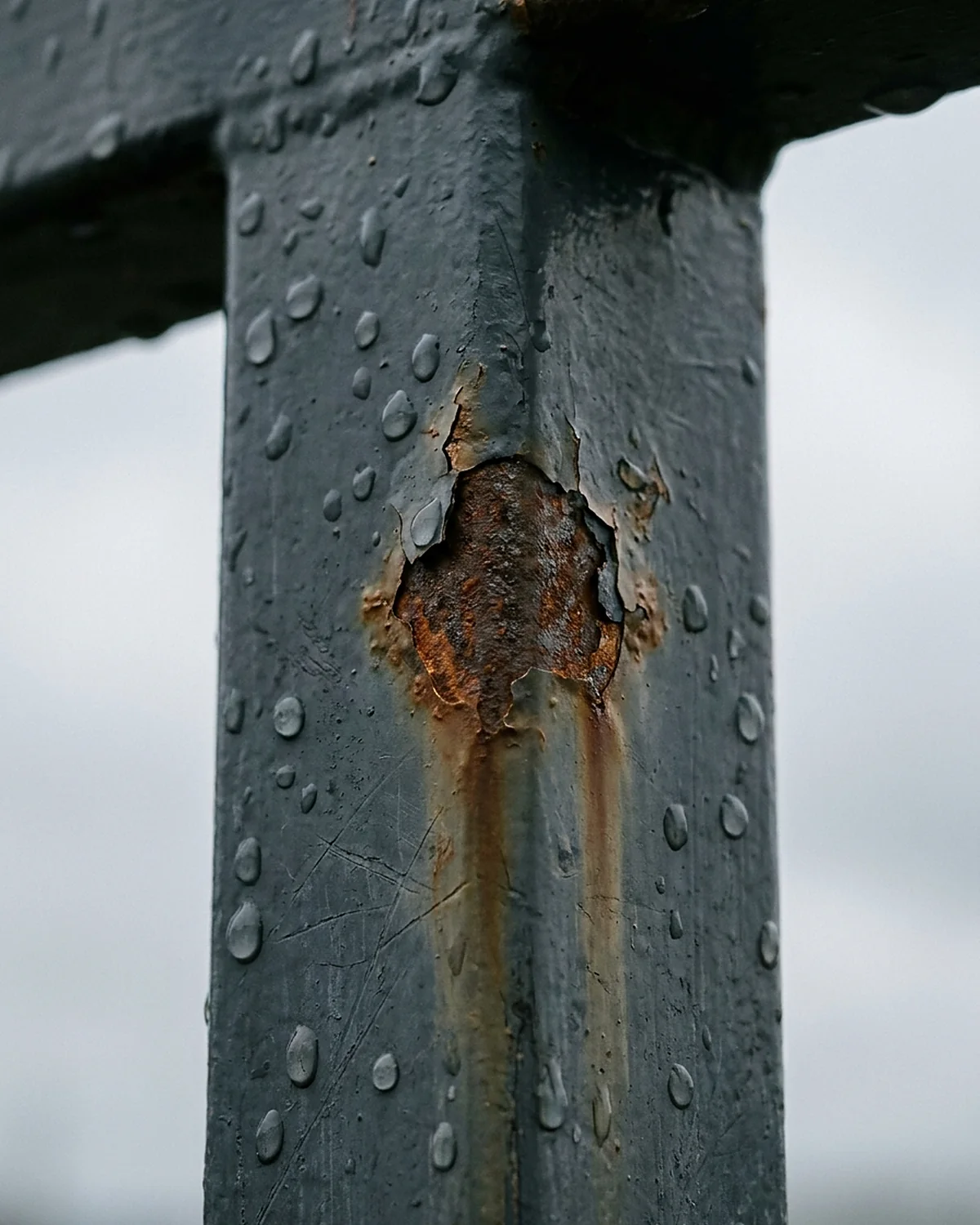 394:5
394:5How Does Metal Rust?
Follow electrons, ions, oxygen and water through rust formation—and see how coatings, zinc and passive alloys interrupt the circuit.
Read the explainer →What we explain
Four clear paths into the library.
Explore a familiar question, follow the evidence, and find another idea worth understanding.
Technology & Engineering
Machines, signals and engineered systems—from aircraft wings to wireless networks.
13 published explainers →↘Earth & Environment
Light, oceans, seasons and the planetary systems shaping everyday life.
10 published explainers →◎Space & Astronomy
Worlds, orbits and thought experiments that reveal the scale of the cosmos.
7 published explainers →◇Life & Chemistry
The molecules and biological responses hiding inside familiar experiences.
9 published explainers →Made for curious readers
Fast at the entrance.
Substantial underneath.
Start with a quick answer, explore the full explanation, and follow the sources. Each story makes room for useful examples, honest limits and your next question.